Humanities for Food Justice Cohort
The Food Justice Cohort is a collaborative space where food-focused student interns translate real-world internship experiences into lifelong professional strength. Meeting monthly, cohort members come together to cultivate grit, patience, and problem-solving skills alongside their peers, building a community of empowered leaders ready to shape the future of our food systems.
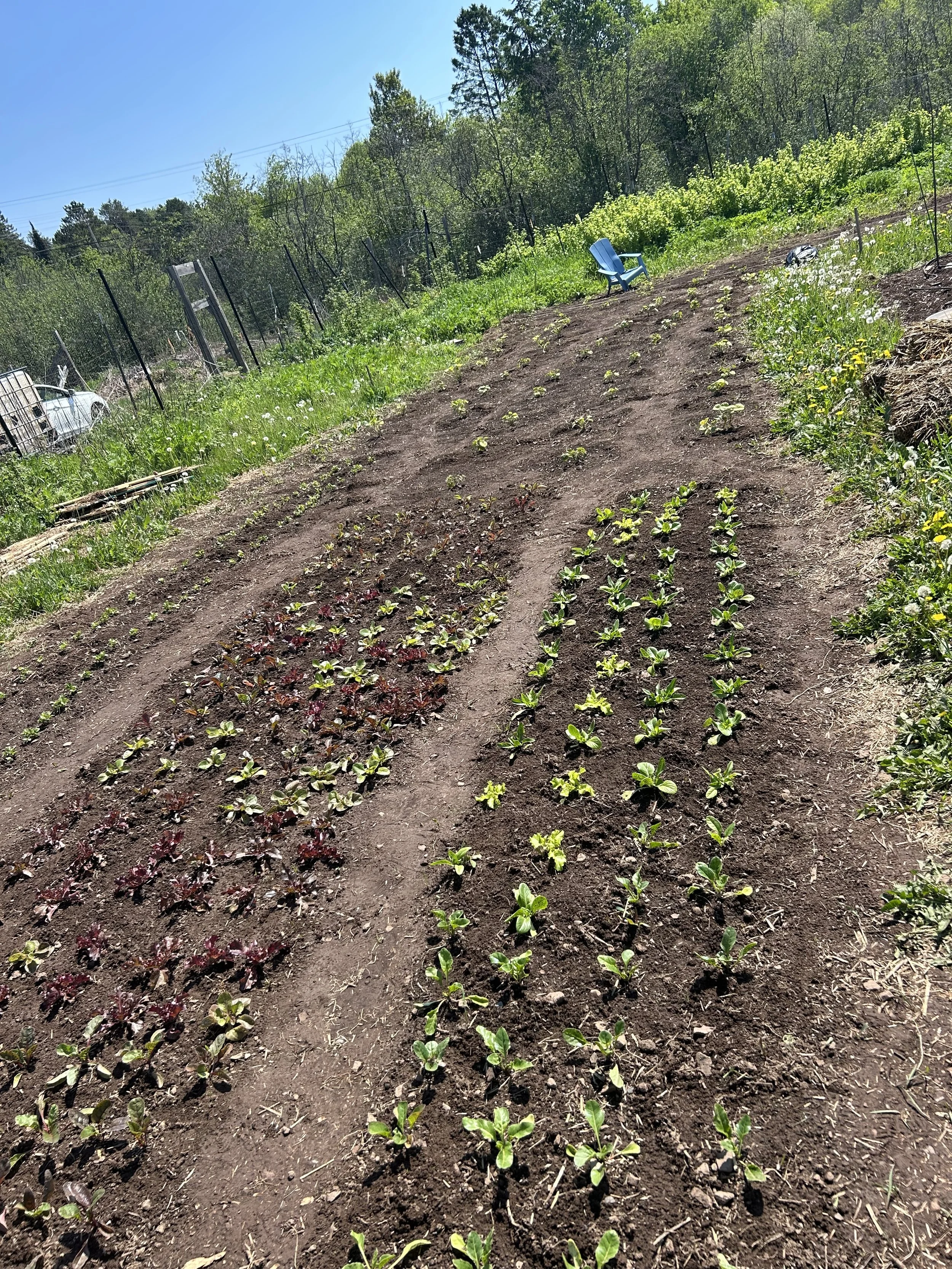
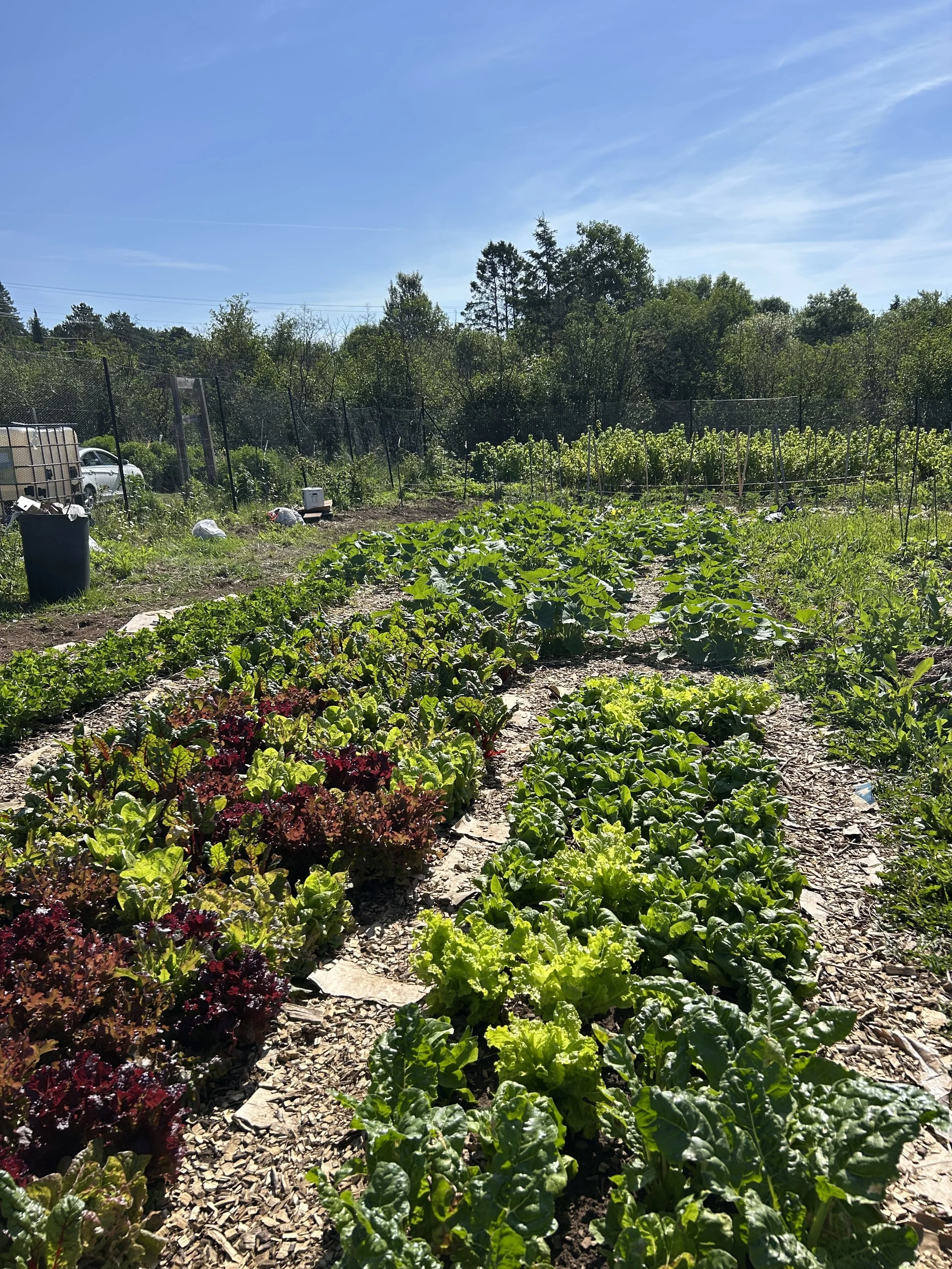
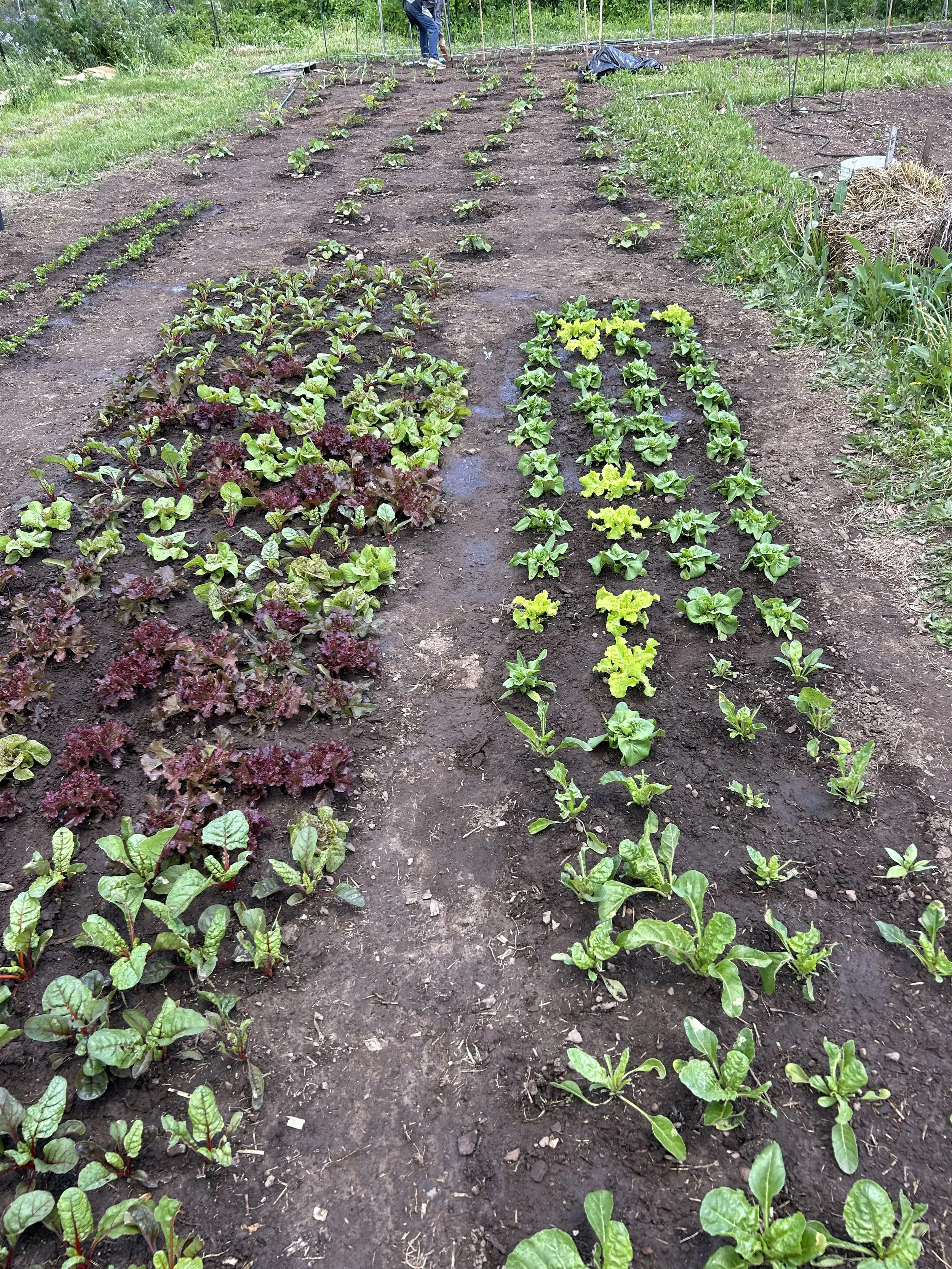
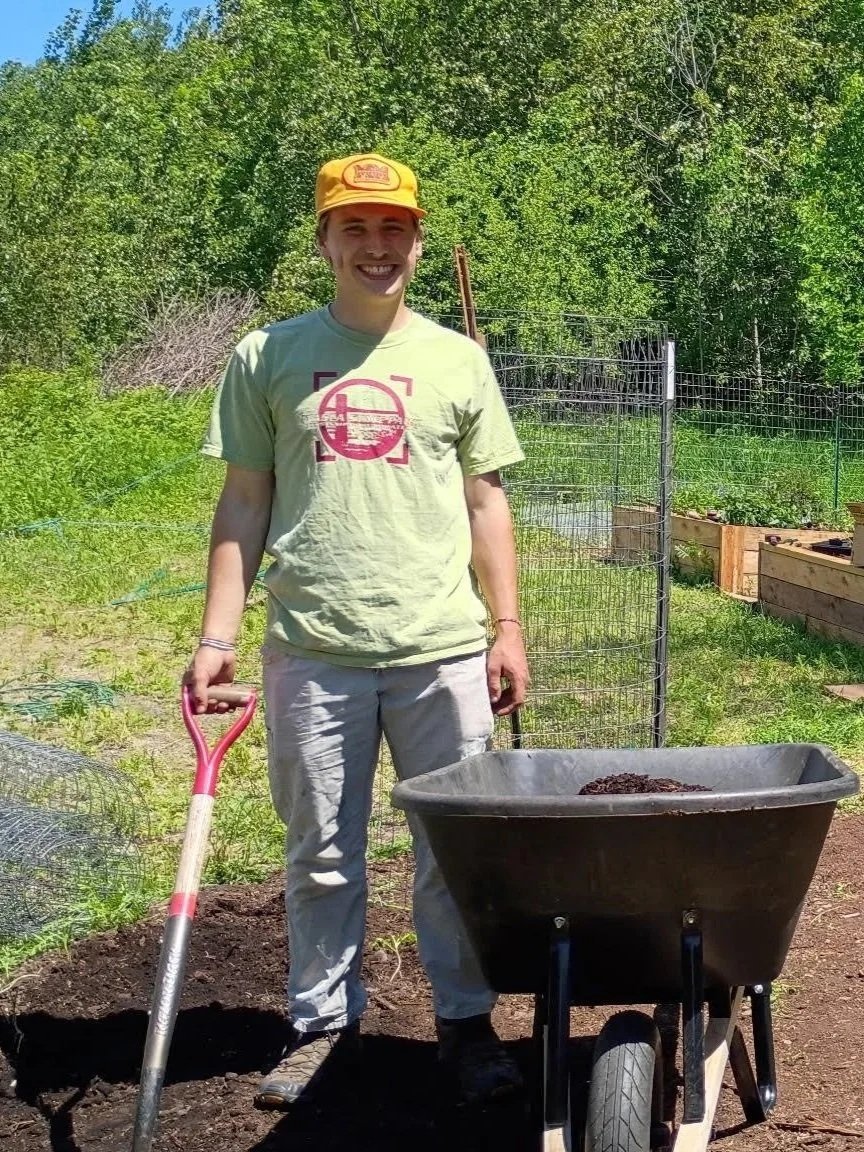
Intern Alex Oberton helps set up fencing and plant at the new Feywild Farm and Community Garden, where produce will be grown for French Cuisine students this fall.
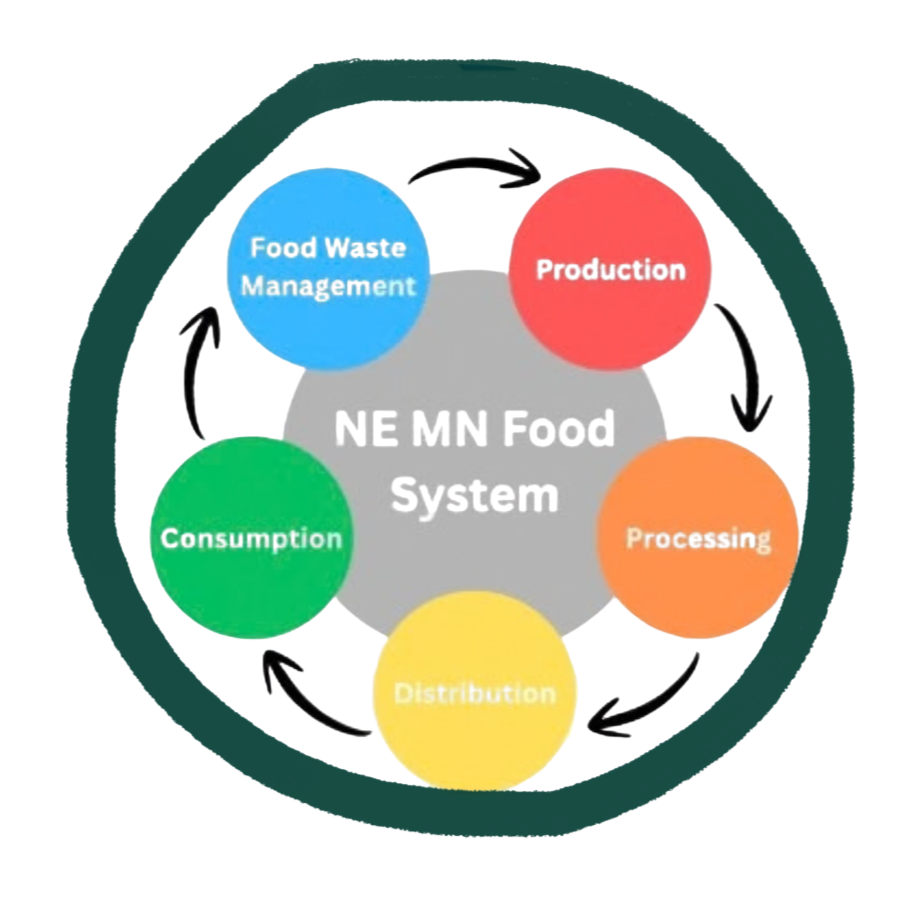
Production:
The recovery, reuse, recycling, or disposal of uneaten food and organic scraps. This includes food donation, converting surplus food into animal feed, industrial composting, anaerobic digestion, and landfill management.
Processing:
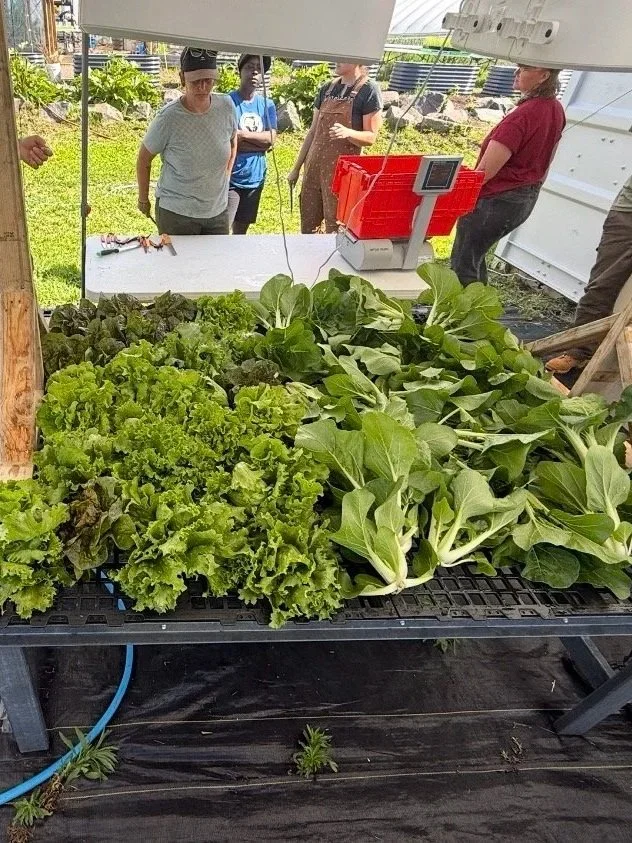
The physical, chemical, or mechanical transformation of raw agricultural products into edible food products or ingredients. This ranges from simple washing, cutting, and packaging to complex manufacturing, preserving, and refining.
Distribution:
The movement, storage, and sale of food products from producers and processors to consumers. This includes cold-chain storage, logistics, wholesale markets, transportation networks, and retail outlets (like grocery stores and food banks).
Consumption:
The acquisition, preparation, and eating of food by individuals, households, and institutions. This stage covers consumer choices, dietary habits, cooking methods, and nutritional intake.
Food Waste Management:
The recovery, reuse, recycling, or disposal of uneaten food and organic scraps. This includes food donation, converting surplus food into animal feed, industrial composting, anaerobic digestion, and landfill management.
Where students can get involved in our community:
Our Interns are involved in the food system as a whole:
Being involved across every stage of the food system is essential to building a resilient, sustainable, and equitable community. Because each step directly impacts the next, looking at the entire cycle allows us to reduce food waste, improve fresh food access, and protect our environment from farm to fork and back to the soil. By nurturing every link in this chain, we empower local economies and ensure that healthy food nourishes both people and the planet.
-
Where you could get involved:
Duluth Community Garden Program
Ecolibrium3
Northern Harvest Farm
Feywild Farm
Food Farm
Hodgson Acers Farm
Shaloma Farms
Sustainable Farming Association
Fairhaven Farm
Clover Valley Farms
Davis Acres
Four Beans Farm
Freedom Farm
SolFed Farms
St. Marks Giving Garden
-
Where you could get involved:
DCWC Nourish
Duluth Community Cuisine
Gloria Dei Monthly Breakfast
YWCA
Damiano Center
Union Gospel Mission
-
Where you could get involved:
Twin Ports Roots Market
DCWC Nourish
CHUM Food Self
Fruit of the Vine Food Shelf
Gloria Dei Monthly Breakfast
Grocery Giveaway in Lincoln Park
Harbor Highlands Little Free Library
Loaves and Fishes
Second Harvest Northland
UMD Food Shelf (Champ’s Cupboard)
Duluth Area Farmers Markets
Age Well Arrowhead
Damiano Center
Myers Wilkins Food Program
St. Scholastica Food Shelf
Union Gospel Mission
YMCA
-
Where you could get involved:
DCWC Nourish
Duluth Community Cuisine
UMD Food Shelf (Champ’s Cupboard)
-
Where you could get involved:
Duluth Compost
Resource Renew
UMD Dining Services
-
Duluth Community Cuisine
Iron Range Food Coalition Partnership
North Pointe Resource Center
St. Louis County Community Health Board
DCWC Nourish
Meet Our Interns!
Meet Our Interns!
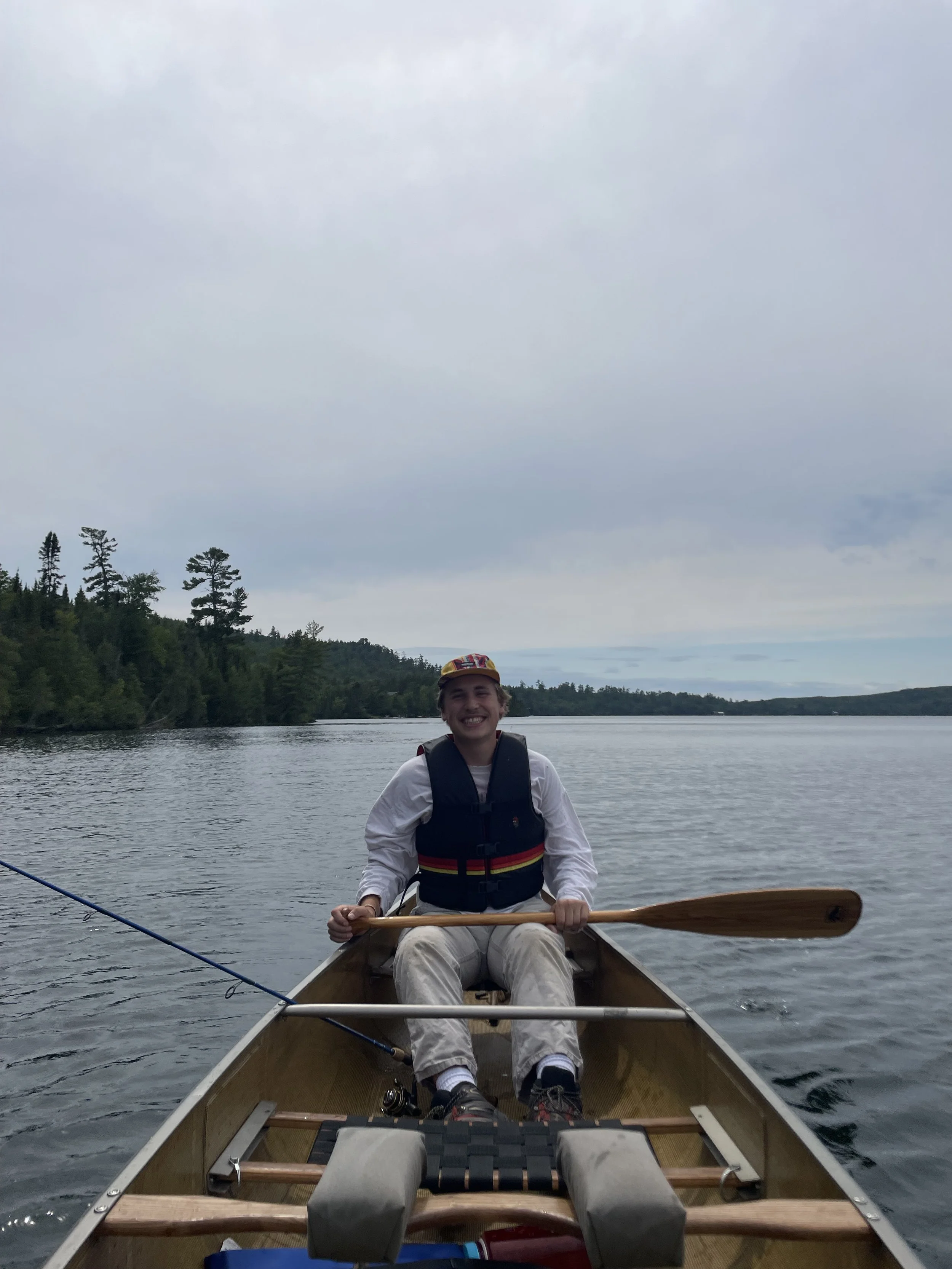
“I had such a positive experience working at Northern Harvest Farm. I met so many wonderful people, and even in such a short time, I feel like I learned a lot. Seeing the amount of hard work that goes into making a farm like this successful was super inspirational and educational for me. Thank you to UMD Humanities for Food Justice and Northern Harvest Farm for this incredible opportunity!”
-Alex Oberton, Food Justice Intern 2026
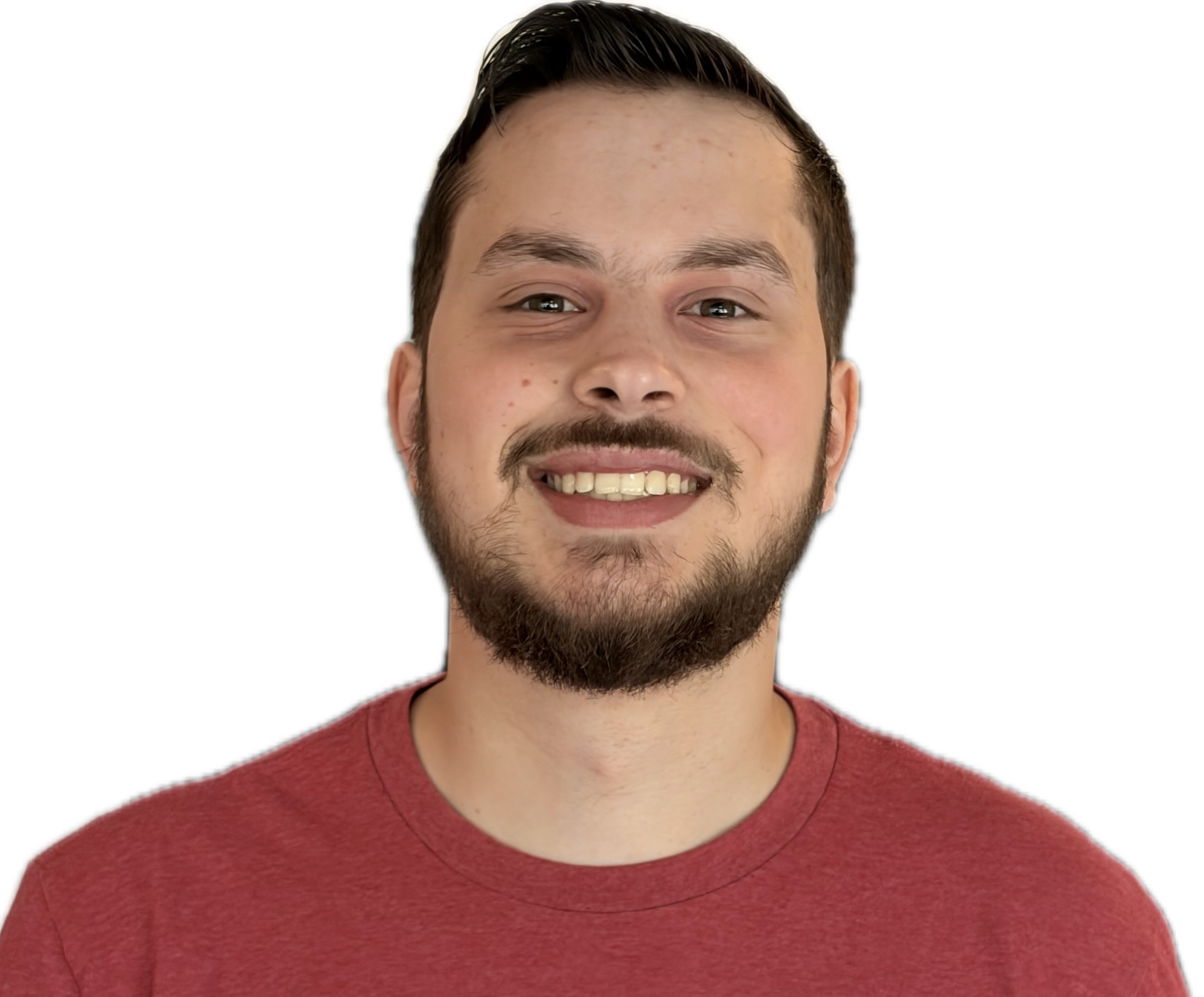
Star Gump is actively studying Creative Community Empowerment at the University of Minnesota - Duluth, focusing on learning Storytelling tools to empower people to tell their own stories. They interned at the Duluth Center for Women and Children, learning how to complete administrative tasks in the food service industry.
-Star Gump, Food Justice Intern 2026
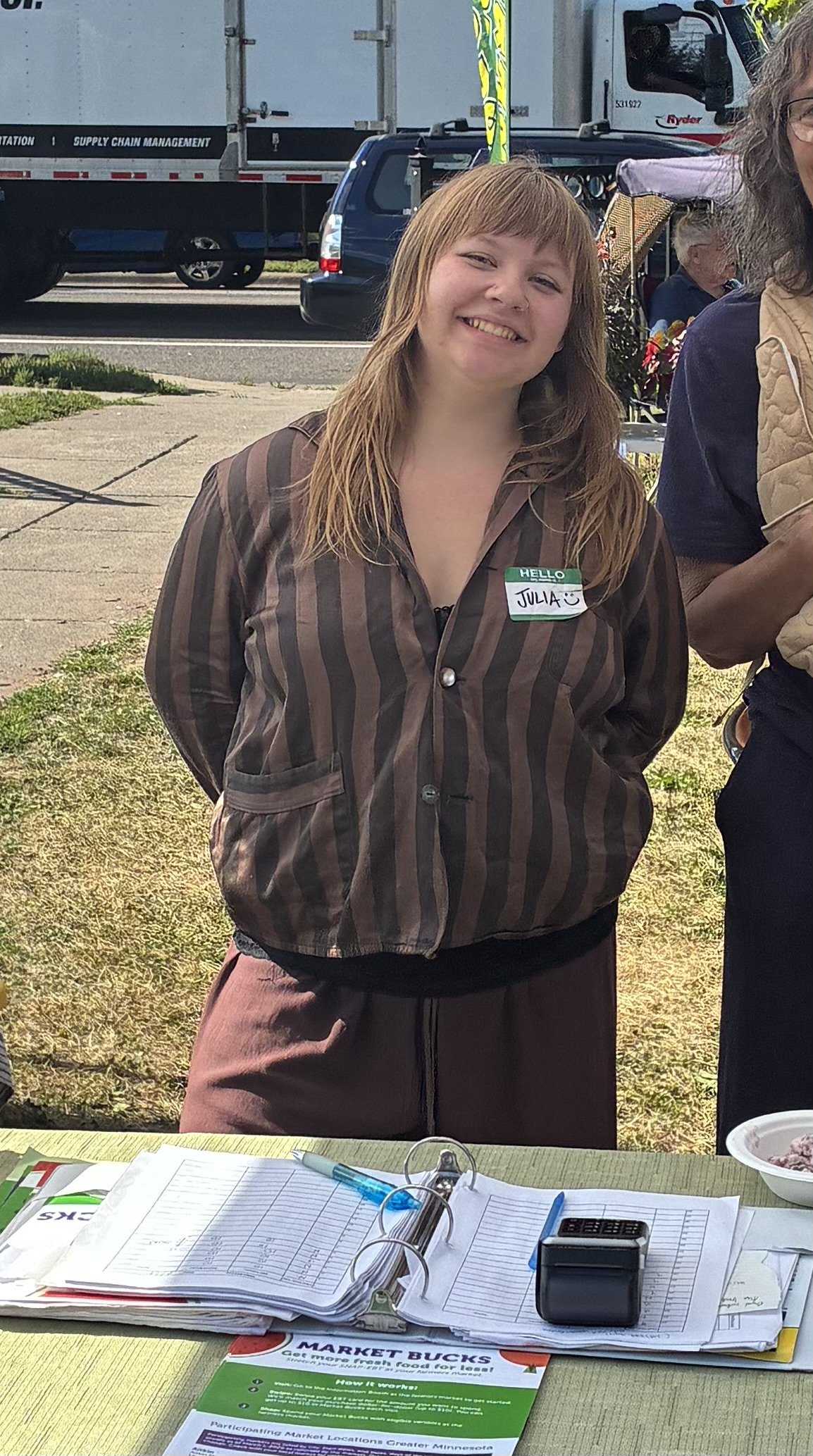
“My name is Julia Schroeder. I am a double major in Environment, Sustainability, Geography, and Studio Art: Sculpture & Ceramics. This summer I interned with the Twin Ports Roots Market, a local vendor-run farmers market in the Lincoln Park neighborhood. This experience has expanded my knowledge and understanding of the role that community plays in creating strong and sustainable local food systems.”
Julia Schroeder, Food Justice Intern 2026
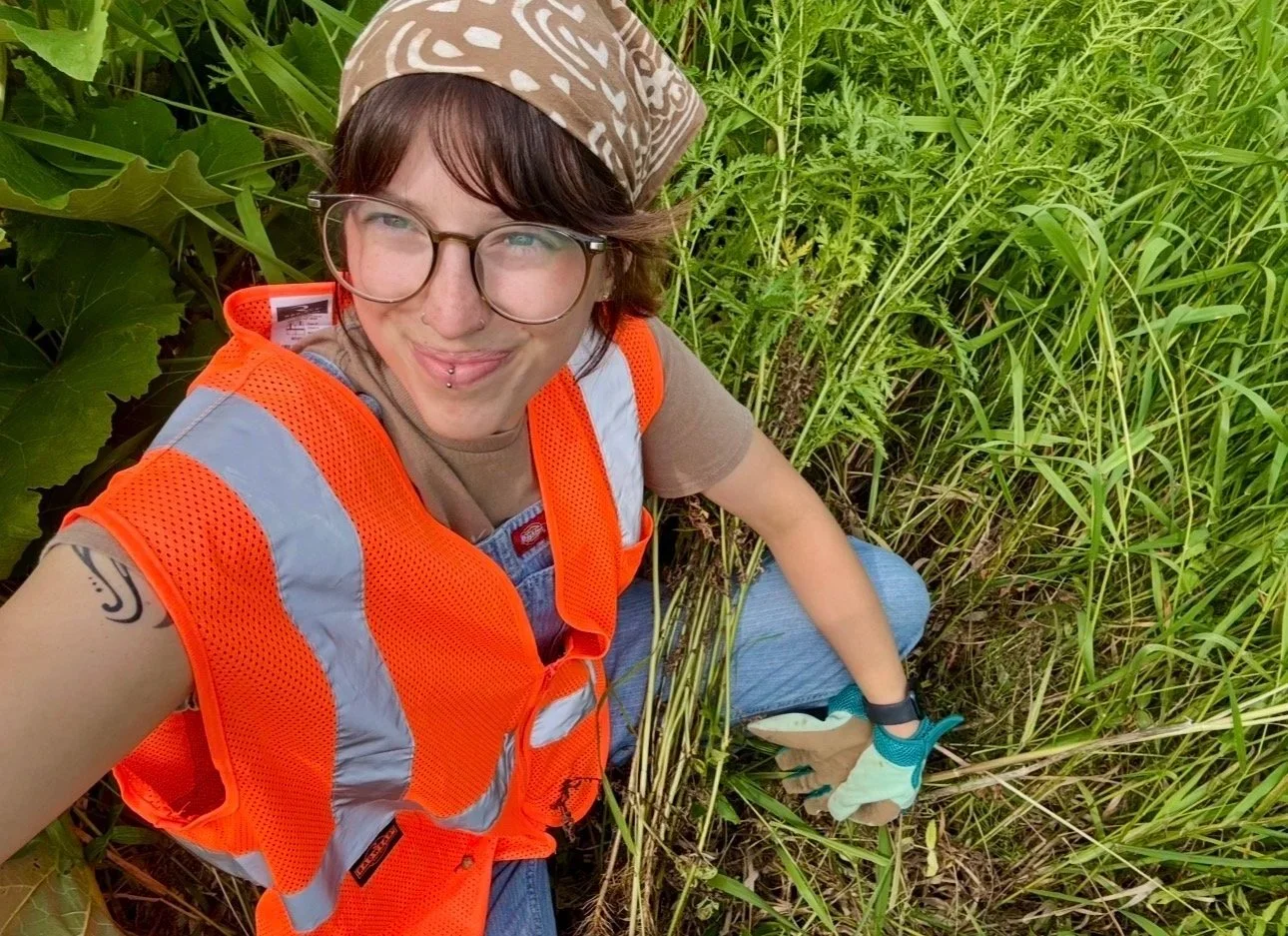
Kait combined environmental focus with active community service during her AmeriCorps term with Ecolibrium3. Kait played a vital role in local food access. Her service also spanned invasive species removal and volunteer efforts with United Way Cloquet and Second Harvest Northland. “My favorite thing has to be my wonderful co-volunteers; they make a huge difference! Other favorites include working outdoors and hosting kids’ camp events at the farm."
Kait Jensen, Food Justice Intern 2026
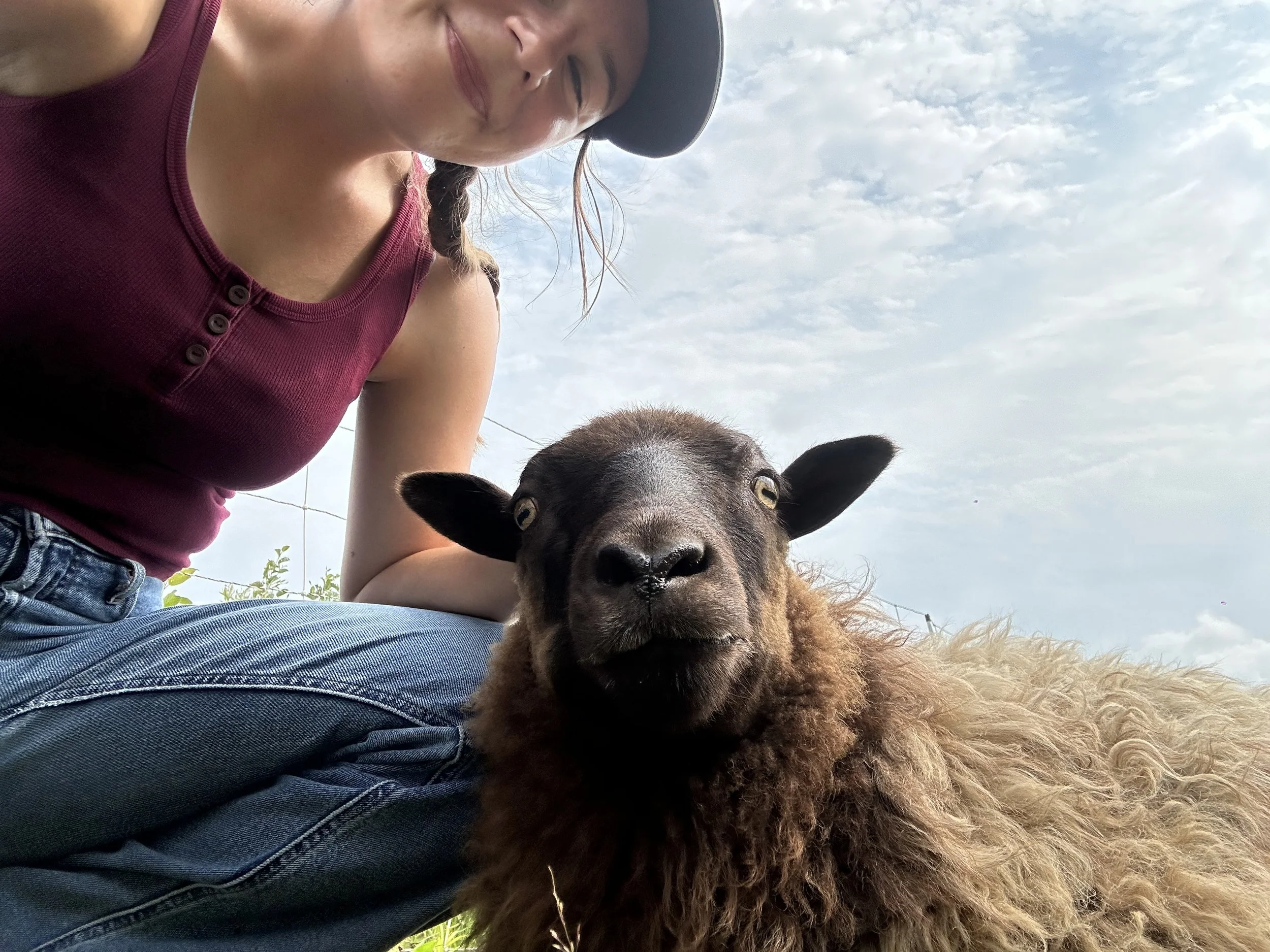
Ava brought her passion for sustainability and community connection directly to the soil. Splitting her time between Cook Home Community Garden and Fairhaven Farm. “I love working outside with the plants, getting to know the other gardeners at the community garden, and hearing their stories. I’m also learning about the connection between taking care of the plants and taking care of ourselves and tending to the needs in our own lives!"
Ava Weber, Food Justice Intern 2026
How the Cohort Came to Life!
The vision for the Food Justice Cohort began when leaders Aparna Katre and Dana secured grant support through the College of Arts, Humanities, and Social Sciences. They envisioned placing students directly into local food organizations, then bringing them together to translate those hands-on experiences into a deeper understanding of regional food justice. Meanwhile, program advisory discussions revealed that food-system employers were looking for core qualities that go beyond textbooks: grit, determination, patience, and creative problem-solving.
Aparna and the team worked alongside Alex Obertona, a Biology major minoring in Environmental Studies, to bridge the gap between student growth and community needs, with Alex quickly becoming a key student leader of the initiative. Rather than expecting host sites to teach essential qualities like grit and problem-solving from scratch, the cohort was created to give interns a dedicated space to reflect, frame new skills, and support one another.
Today, the cohort links student energy with community needs by partnering with local farms, community garden projects, and organizations like the Duluth Center for Women and Children and Nourish. By gathering monthly to process their lived experiences in the field, these student interns gain the resilience and leadership skills needed to drive lasting change in our food systems.