

Our Mission
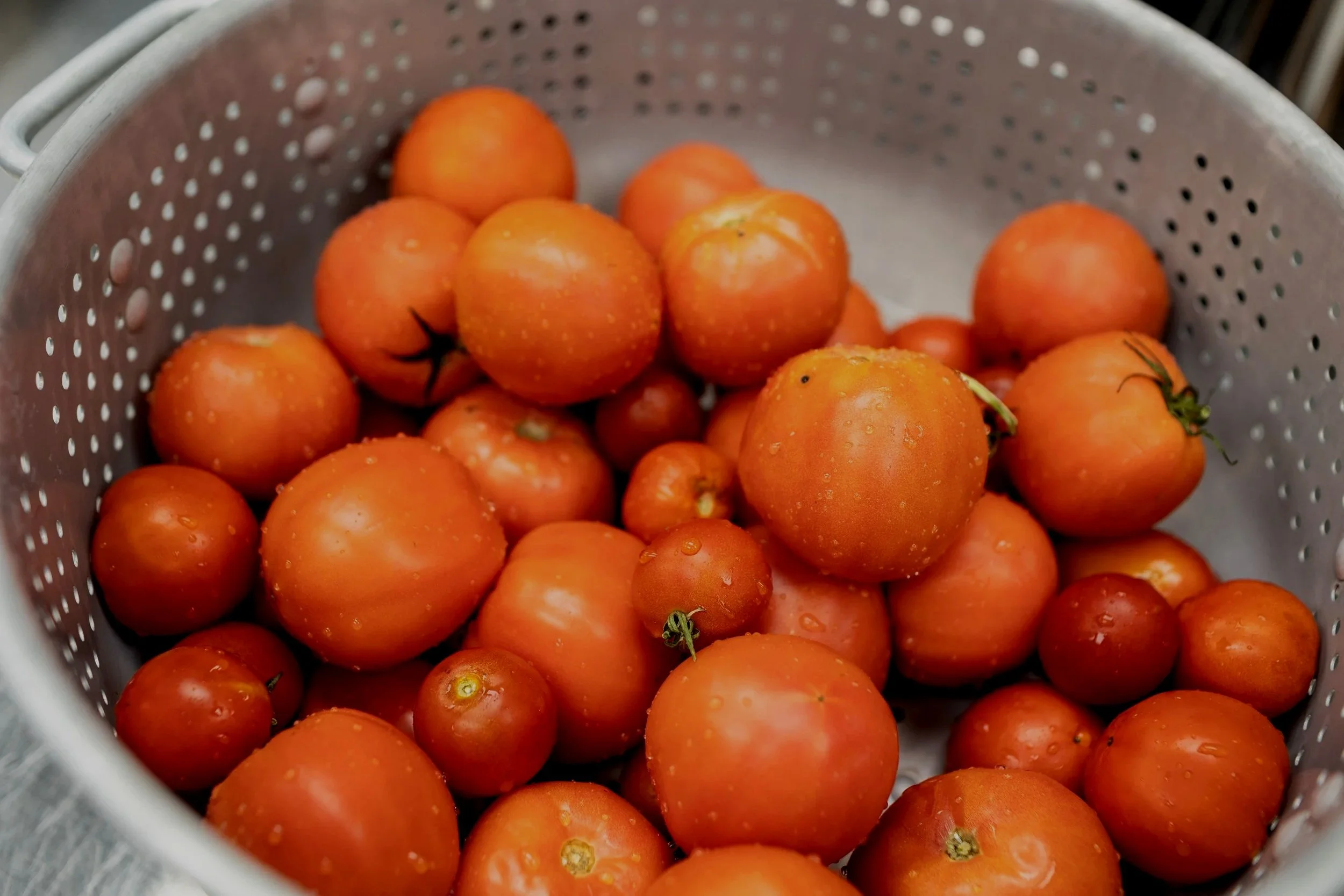
Through a humanities approach, we are leveraging the strengths of the university and communities while keeping people at the center to advance food and environmental justice.
This means we’re not just researching food systems and environmental issues from a distance — we’re engaging with them directly and personally. By using tools like storytelling, art, oral history, and cultural analysis, we’re uncovering real experiences that often get overlooked in traditional approaches.
Our mission reflects a deep commitment to understanding how people live, grow, eat, and survive in a changing world — and how we can support communities in leading the solutions.
With the university’s resources and the community’s knowledge, we are working side-by-side to imagine more just, sustainable, and human-centered futures.

Our Vision
We envision a future for the community where partnerships and relationships are deepened and students are motivated to lead transformative work in their communities.
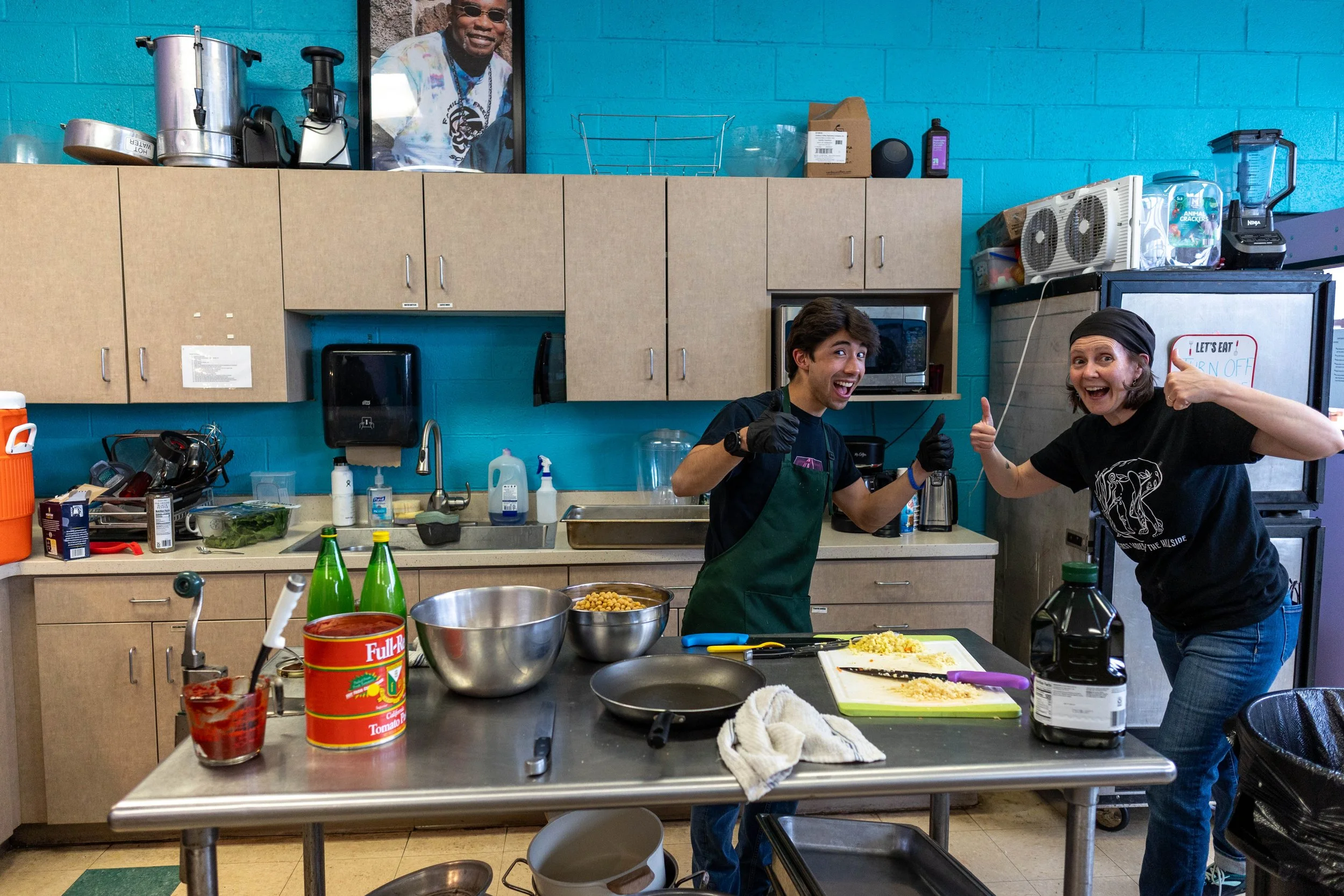
We see a future where students don’t just pass through classrooms, but grow through hands-on work with community members, developing empathy and leadership skills that last a lifetime. We want to create spaces where trust can thrive, where diverse perspectives are respected, and where cultural traditions and lived experience help shape academic learning.
In this future, food systems are more just, environmental risks are more equitably managed, and UMD plays an active role in supporting and uplifting the people who call this region home.
Our Team
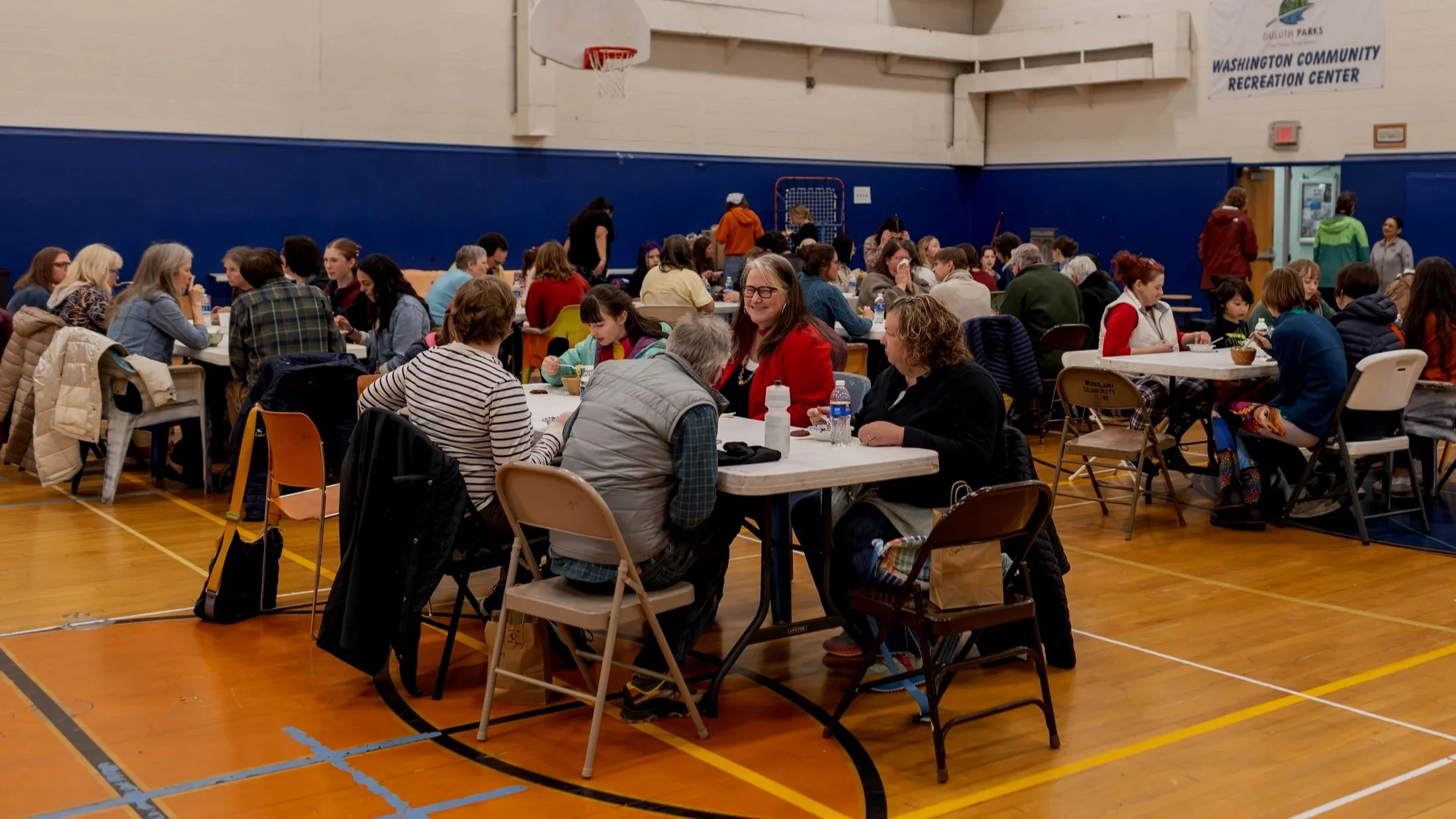
Our vision is rooted in connection — between people, across institutions, and within systems of care.
-
![]()
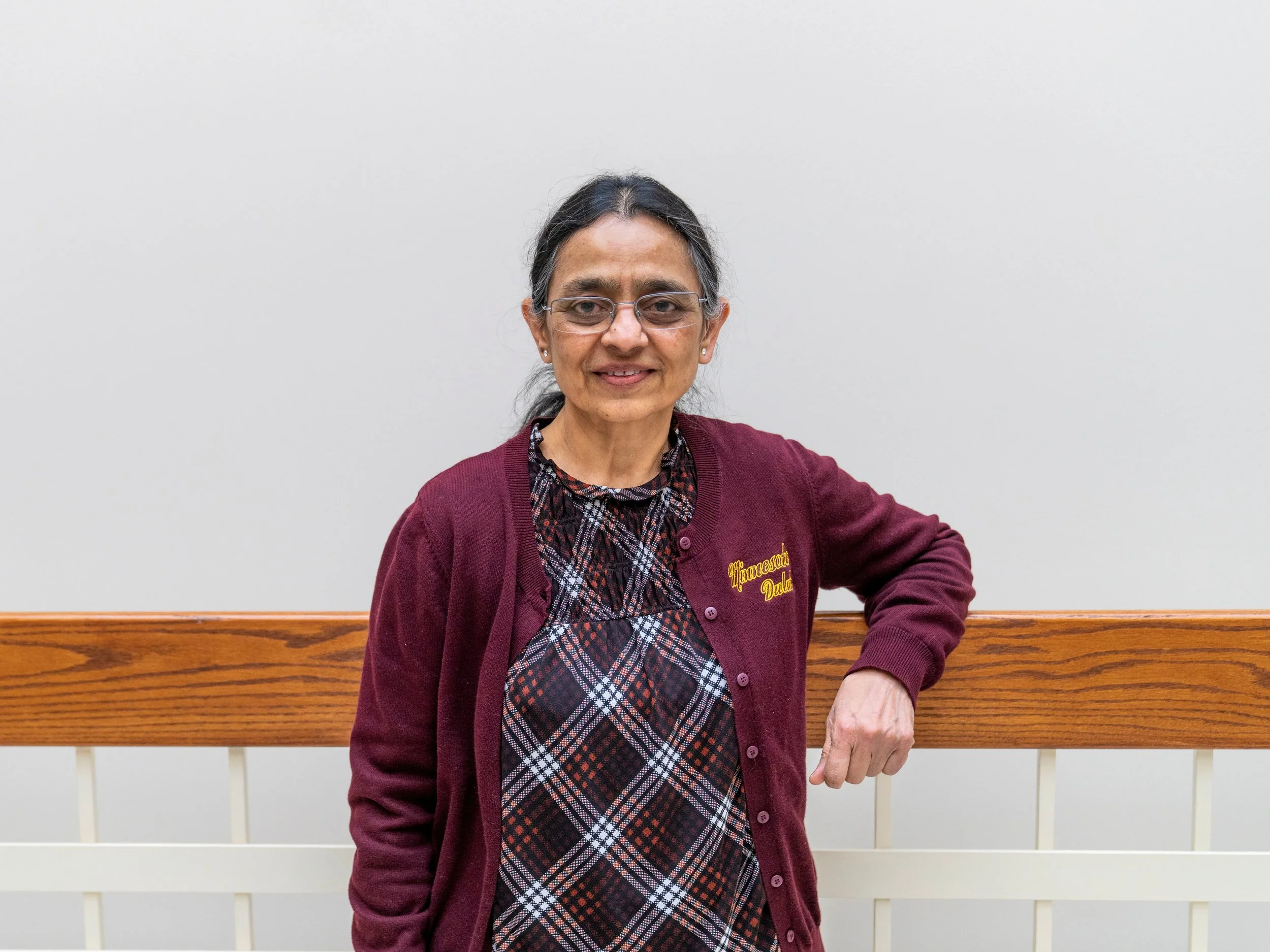
Aparna Katre, Co Project Investigator
Aparna is an Associate Professor and the Director of the Interdisciplinary Studies program at UMD. With a Ph.D. focused on social entrepreneurship and design thinking, her work within the Hub centers on creating sustainable, community-owned solutions to systemic issues. She is the founder of the DCWC Nourish program, where she bridges the gap between academic research and grassroots action to help families in Duluth overcome the barriers of food deserts. Aparna is dedicated to the idea that cultural entrepreneurship and collaborative design can empower local voices, ensuring that food justice is not just a study but a lived reality for all.
-
![]()
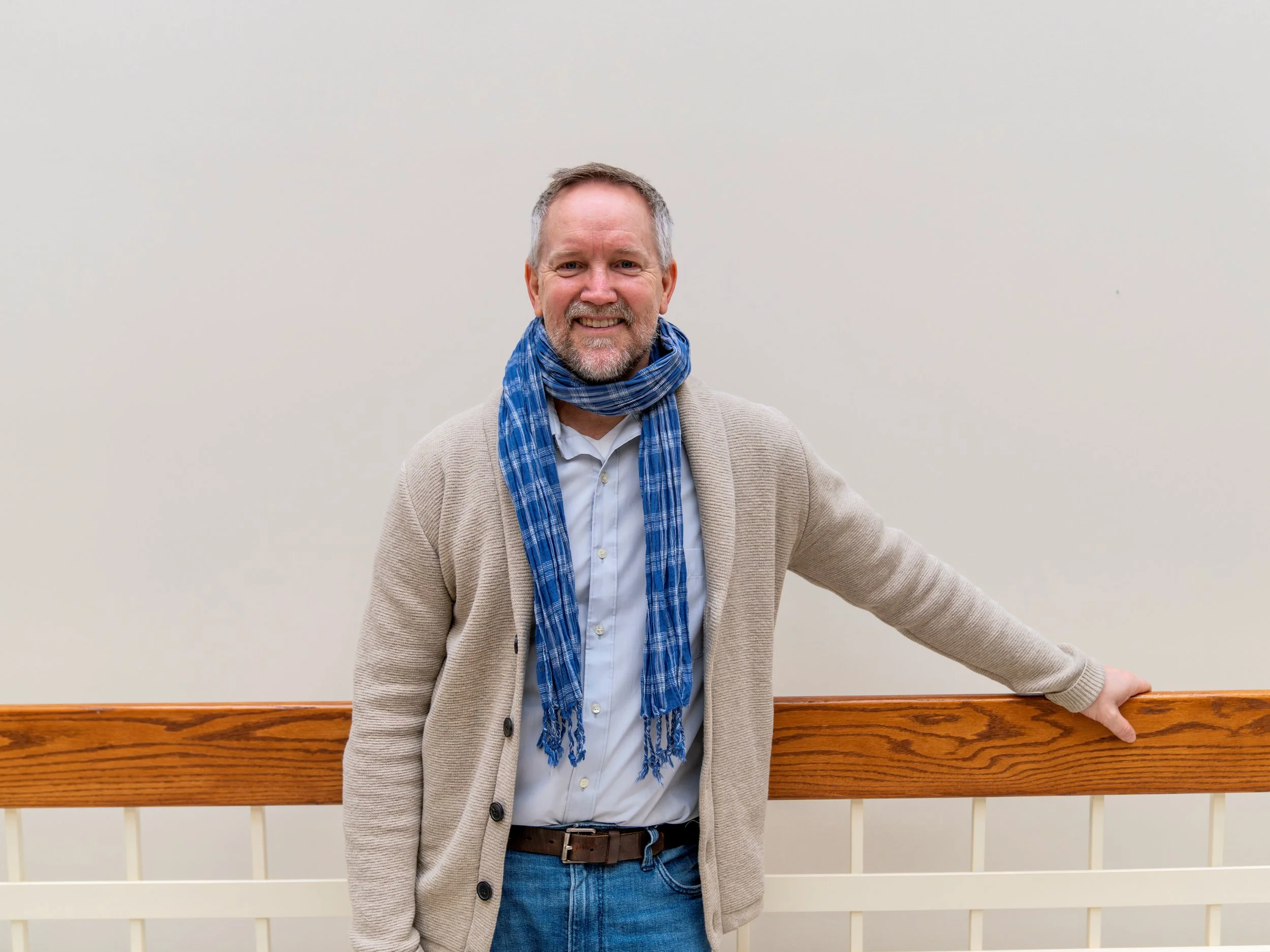
Dana Lindaman, Co Project Investigator
Dana is an Associate Professor at UMD whose work sits at the intersection of language, culture, and community engagement. With a deep academic background in French Studies and the humanities, he views the Hub as a space to translate complex global challenges into local, actionable change. His expertise in interdisciplinary pedagogy helps the Hub foster "translocal" learning, connecting students and community members through shared stories and historical context. Dana is passionate about using the humanities to reimagine our relationship with the environment, helping the community co-create a more just and resilient food system.
-
![]()
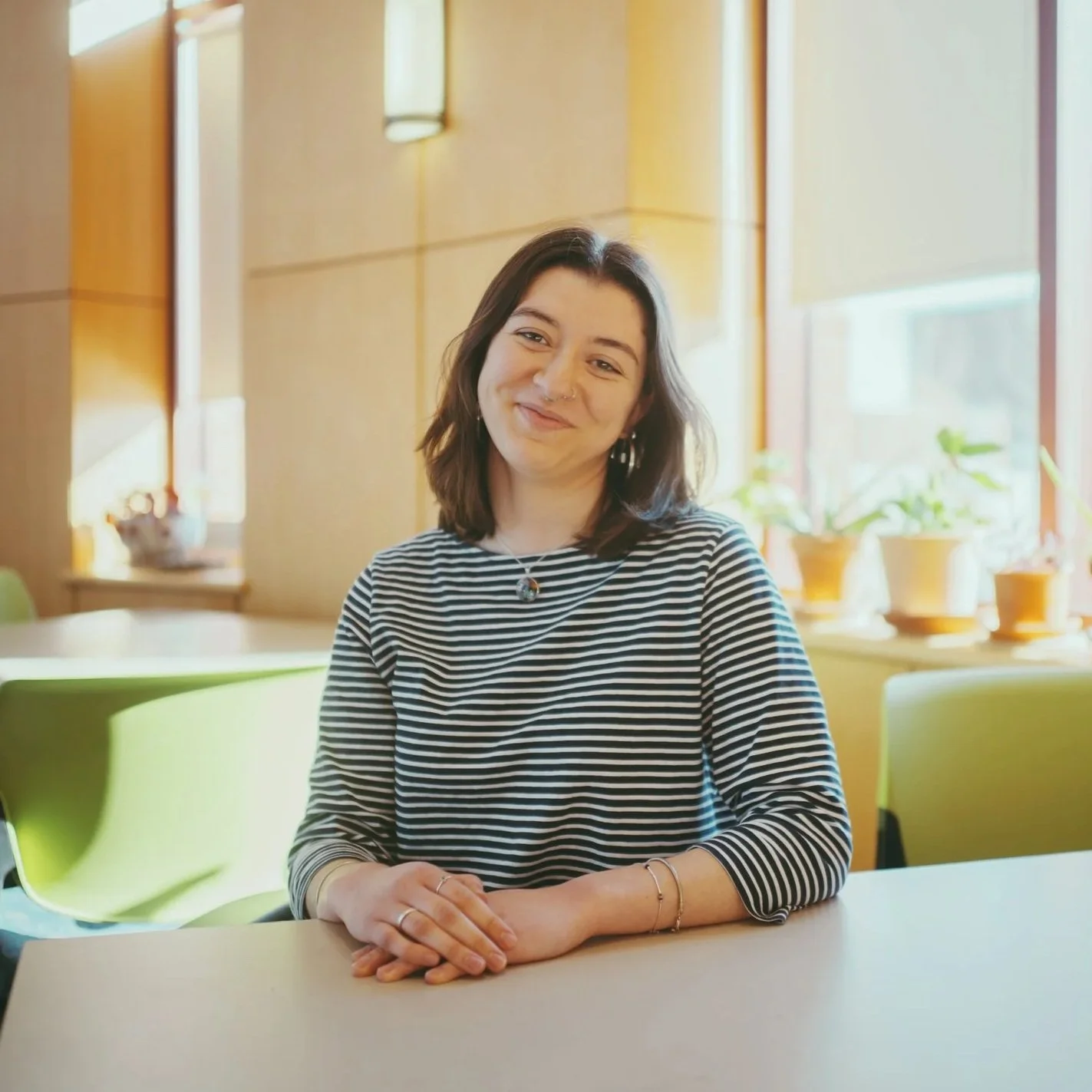
Ella Wightman, Student Project Manager
Ella is an undergraduate student at UMD with an Interdisciplinary Studies major that focuses on placemaking and community co-created change, with minors in philosophy and art. She is a proud, born and raised Duluthian and is passionate about connection with the community and making things with her hands. She is grateful to have a seat at this table, making caring change.
What Sets Us Apart
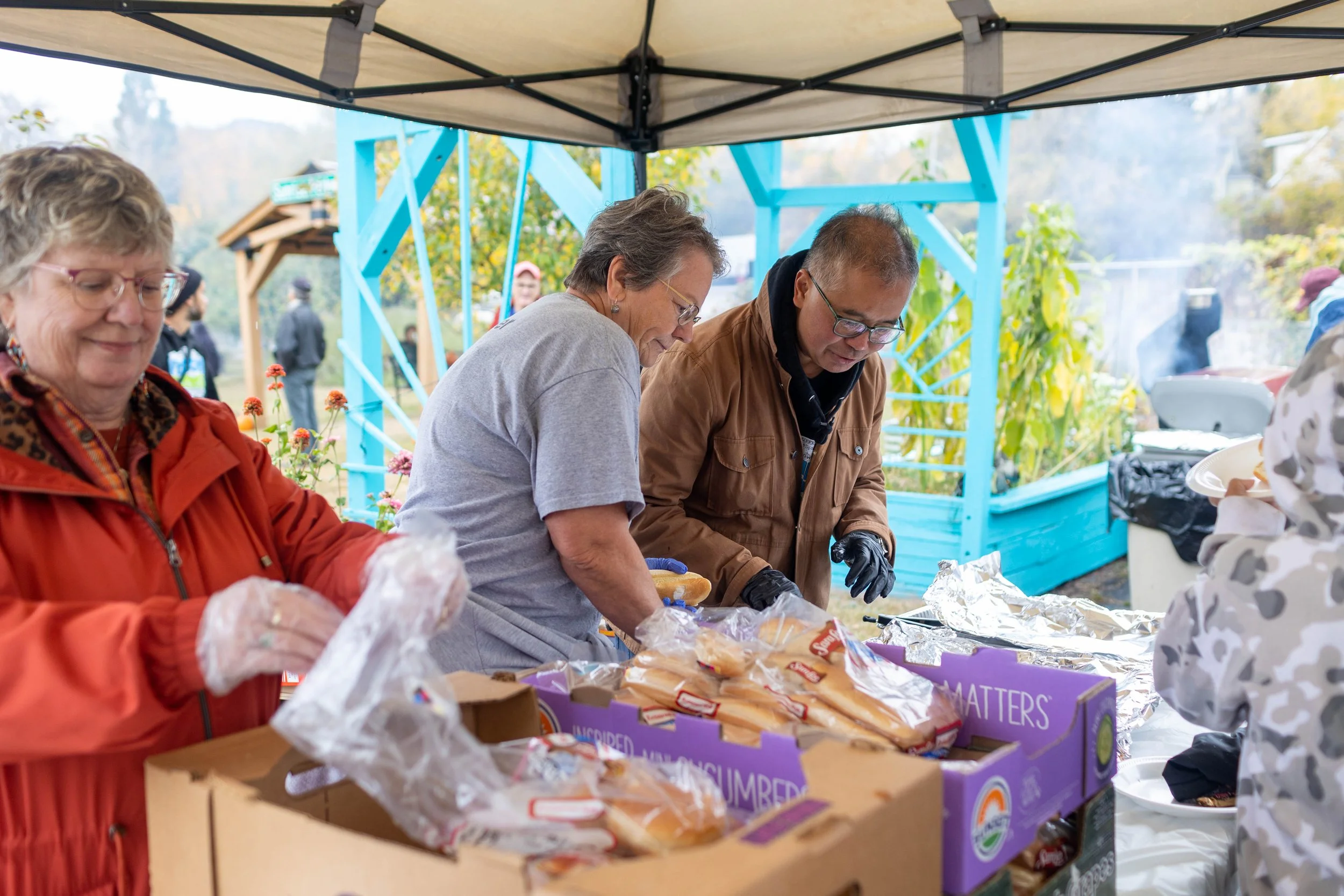
True impact starts with listening. We meet monthly with a dynamic advisory council made up of local non-profit leaders, food bank staff, UMD faculty, students, and community organizers. By leveraging the passions of the university alongside the wisdom of established Duluth initiatives, we generate fresh, well-rounded solutions that truly empower our community. This unique blend of academic insight, local expertise, and student energy allows us to look at community challenges through every lens. Together, we turn diverse opinions into actionable, empowering ideas that create lasting change.
Humanities Approach
Everything we do is built around understanding community needs and meeting them—because good things happen when we work together.
Long-Term Relationships
We’re not just here for the now. We love creating lasting relationships with our clients and growing with them over time. Our goal is to give our community work more meaning!
Community Centered
We bring structure where it counts and adaptability where it matters. Our methods are collaborative as we bring together community members, students, and University staff to identify needs and create programming.
Food Justice Cohort
The Food Justice Cohort was established after an advisory council meeting in which we asked: "What skills do students entering the food-systems workforce need to be successful?" The response we heard loud and clear was that students need grit, determination, patience, and problem-solving skills. From that feedback and the idea that we could create a space for students to learn together, rather than placing all of the pressure on internship hosts to teach these core qualities, we formed our cohort. The cohort is made up of food-focused student interns dedicated to meeting once a month to discuss and frame new skills gained from their ongoing internships. This framework is created to foster a community for student interns where they can learn from one another and thrive as future leaders in the food-systems workforce.